What Happens When You Call a Desentupidora in Vila Olímpia São Paulo SP
What Happens When You Call a Desentupidora in Vila Olímpia São Paulo SP
By the end of this account, you will know exactly what to expect from the moment you dial a desentupidora Vila Olímpia São Paulo SP until the technician packs up and leaves. I teach beginners how to handle emergency plumbing calls, and the biggest gap I see is not technical—it is uncertainty about the process. People freeze because they do not know who arrives, what tools they bring, how long it takes, or what it costs. This day-in-the-life walkthrough fixes that by showing the real sequence, the common mistakes callers make, and the corrections that save time and money.
Morning call: from first ring to technician at the door
The phone rings at 7:40 a.m. A restaurant manager in Vila Olímpia reports that the floor drain in the kitchen is backing up and water is rising toward the prep area. The dispatcher asks three questions: where is the water coming from, is it clean or dirty, and has anyone used chemicals already. Those answers decide whether the job is a simple clog or a sewage line problem that needs a truck.
The first mistake callers make is describing the symptom instead of the location. Saying “the drain is clogged” is not enough. The dispatcher needs to know if it is a sink, a floor drain, a toilet, or a main line cleanout. The correction is simple: name the fixture and the floor. “Kitchen floor drain, ground floor, backing up when the dishwasher runs” gives the technician a head start before the van leaves.
A second mistake is pouring drain cleaner before calling. Caustic products can damage PVC joints and create a hazardous splash risk for the technician. The correction is to stop using chemicals and keep the area dry. When the team from a desentupidora Vila Olímpia arrives, they can inspect the line without guessing what is already inside it.
The arrival window matters too. In a busy district like Vila Olímpia, access to service corridors and loading zones can be tight. The manager who clears a path to the cleanout and warns staff about the wet floor saves ten to fifteen minutes of setup. That is not a small detail—it is often the difference between reopening for lunch service or losing the whole day.
What the technician checks before any tool touches the pipe
Before unclogging anything, a trained technician walks the line. They look for multiple backed-up fixtures, which suggests a main line issue rather than a local clog. They check the cleanout cap and the vent stack. They ask whether the problem returns after every use or only after heavy water use. This diagnostic step is where experience shows: a beginner wants to start the machine immediately, while a professional confirms the blockage type first.
The correction to the beginner habit is patience. Five minutes of inspection prevents an hour of unnecessary work. If the backup is isolated to one sink, a hand snake may be enough. If several drains are slow, the technician moves to a powered auger or hydro-jetting equipment. The choice of tool depends on the pipe diameter, the material, and what is causing the obstruction.
Midday job: tools, steps, and the mistakes that cost time
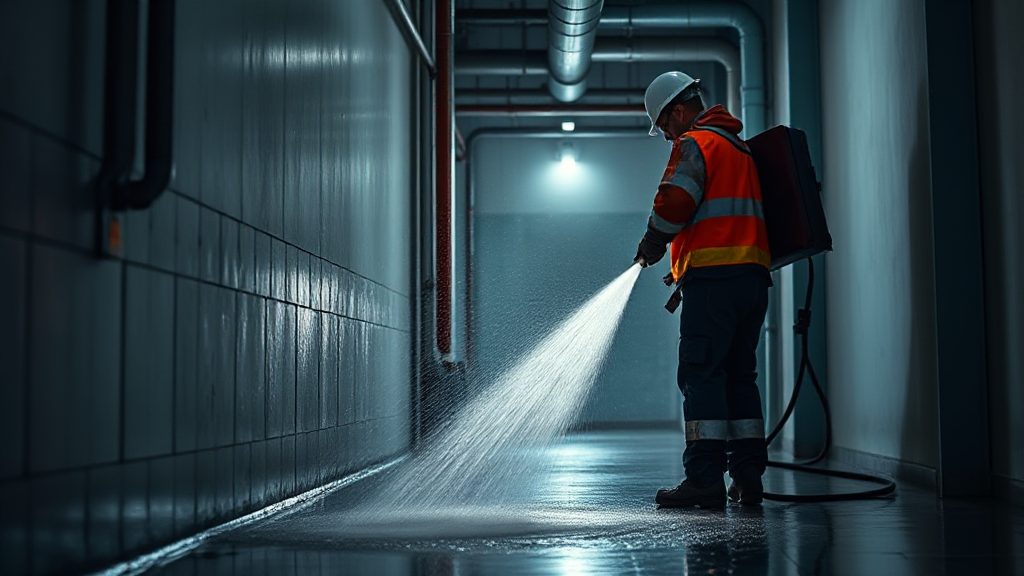
By mid-morning the technician has confirmed a grease and food-waste blockage in the kitchen branch line. The van carries a drum auger, a hydro-jetting unit, and a camera for inspection. The sequence is methodical: protect the floor, open the cleanout, run the auger to break the core of the clog, then flush with water to confirm flow. If the line is still slow, hydro-jetting scours the pipe walls instead of just poking a hole through the blockage.
Hydro-jetting is not the same as snaking. A snake pierces the clog; a jet washes the pipe interior clean. For grease-heavy restaurant lines, the difference determines whether the drain stays clear for a week or a year. The mistake is choosing the cheapest tool for a problem that needs the right one. The correction is asking the provider to explain which method they will use and why.
Another common mistake is ignoring the vent system. A drain can be physically clear but still gurgle or smell because the vent is blocked. A thorough technician checks the roof vent or the mechanical vent before declaring the job done. If the vent is clogged, the line will back up again within days. The correction is to include vent inspection in the service, not treat it as an optional extra.
Timing is a trade-off. A simple sink clog might take thirty minutes. A main line hydro-jetting job in a commercial kitchen can take two to three hours including cleanup. Callers who expect a five-minute fix often pressure the technician to rush. The correction is to ask for a realistic time estimate when booking, then plan the day around it. Rushing a sewer job creates mess and callbacks.
How cost is estimated and what changes the price
Pricing for drain clearing depends on access, pipe diameter, blockage type, and time of day. A straightforward floor drain during business hours sits at the lower end. After-hours emergency calls, difficult access through a basement cleanout, or a line that needs camera inspection push the cost higher. The mistake is comparing quotes without comparing scope. A low quote that covers only snaking is not cheaper if the line needs jetting two weeks later.
The correction is to ask for a written scope: what tool, what line, what included, what excluded. A reputable provider will explain whether the price covers cleanup and a basic flow test. For a commercial kitchen, that clarity is worth more than a small discount. The same logic applies to residential buildings in the neighborhood—síndicos who request a scope in writing avoid disputes later.
When the job involves a larger building or a recurring problem, the provider may recommend preventive maintenance. For condominiums and restaurants, scheduled hydro-jetting of grease traps and main lines costs less over a year than repeated emergency calls. The correction to the “fix it only when it breaks” habit is a simple calendar reminder: clean the lines before the holiday rush, not during it.
What happens after the water flows again
The job is not finished when the water drains. A professional team tests the line by running hot water and watching for slow return. They check nearby fixtures for backups that reveal a shared blockage. They clean the work area and dispose of debris properly. The mistake is skipping the post-job test because the drain looks clear. The correction is to watch the technician perform the test and ask for the result.
For a restaurant, the follow-up includes a short conversation about grease disposal. For a residential building, it includes a note to the síndico about what was found. This handover step is where a desentupidora em Vila Olímpia São Paulo SP turns a one-time fix into useful information. If the same line clogs twice in a month, the pattern points to a structural issue—roots, a collapsed section, or a design flaw—that needs camera inspection rather than another snaking.
Payment and receipt come next. Ask for an itemized receipt that names the service and the date. That document matters if the building manager needs to justify the expense or if a warranty question arises. The correction to the “just pay and move on” habit is to keep the paperwork in the building’s maintenance file.
Summary: the day in three sentences
You call, describe the fixture and floor, and avoid chemicals. The technician inspects before choosing a tool, explains the method and scope, and tests the line after clearing it. You keep the receipt, note any recurring pattern, and schedule preventive cleaning if the line is commercial or shared. That is the whole day—and knowing it in advance turns a stressful emergency into a manageable appointment.
Perguntas frequentes
How quickly can a desentupidora arrive in Vila Olímpia?
Arrival time depends on traffic and the day’s call volume, but emergency services in the district typically aim to arrive within a short window after confirming the address. When you call, ask for the estimated arrival time and clear access to the cleanout before the technician arrives.
Do I need to be present during the service?
For residential calls, yes—someone responsible should be on site to confirm the problem and approve the work. For commercial buildings and condominiums, the síndico or manager can authorize access, but they should still receive the written scope and the final receipt.
What should I do if the drain backs up again after the service?
Stop using the fixture and call the provider back with the date of the previous service. A repeat blockage often means the original cause was not fully removed or that a deeper issue exists. Ask for a camera inspection to identify the real problem before paying for another clearing.
Is hydro-jetting safe for older pipes?
Hydro-jetting is safe when the technician adjusts pressure to the pipe material and condition. Older or fragile lines may need lower pressure or a different method. The key is to ask the provider to assess the pipe before jetting and to explain the pressure they will use.